Overview
In 2015, when I graduated at the university, I had a modular backpack in my hands and some people interested in buying it.
So, how would I start such operation?
The context was:
My background was Industrial Design – Product Design. I had no idea how to produce fashion accessories, how to manage a small business and how to create an online shop to sell the backpacks online. And the worst part: Without money!
And the challenge:
Who said products cannot provide user experiences?
So my challenge was to start a small business to sell those backpacks online and create an user experience in three contexts: Online, Using the product and Customer Service.

Building a new brand
This planning process took about 2 years among research, prototypes and viability.
The main differential would be to “create creative solutions to carry belongings”, where I always would offer something different from the backpacks and accessories that were already on the market.

Then, I built the Business Canvas to understand my business model as well as the SWOT Canvas to measure potential threats to my new venture.

But mainly, I wanted to create great experiences for my customers and didn’t want to start selling a cheap product online that people would hate and ask for refund all the time!
So quality for me was everything: Products and customer service.
First user experience - Online
With a Youtube tutorial, and a WordPress pre made theme, I build a simple, but beautiful website with zero programming skills. (Just a few simple CSS adjustment were enough)

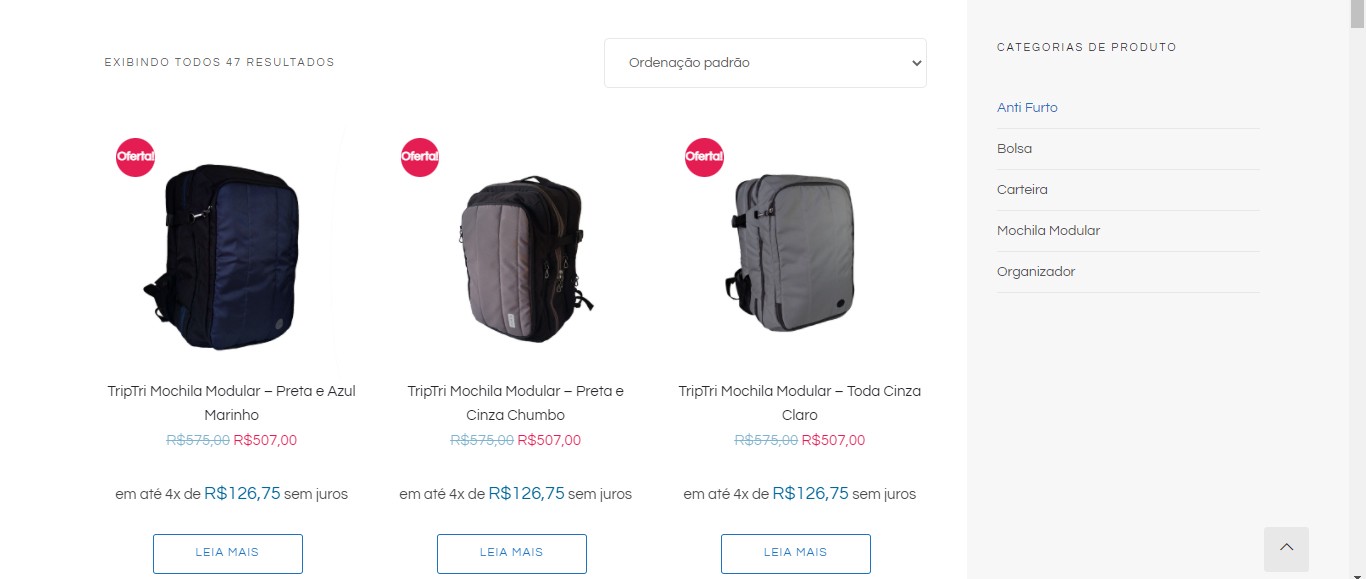
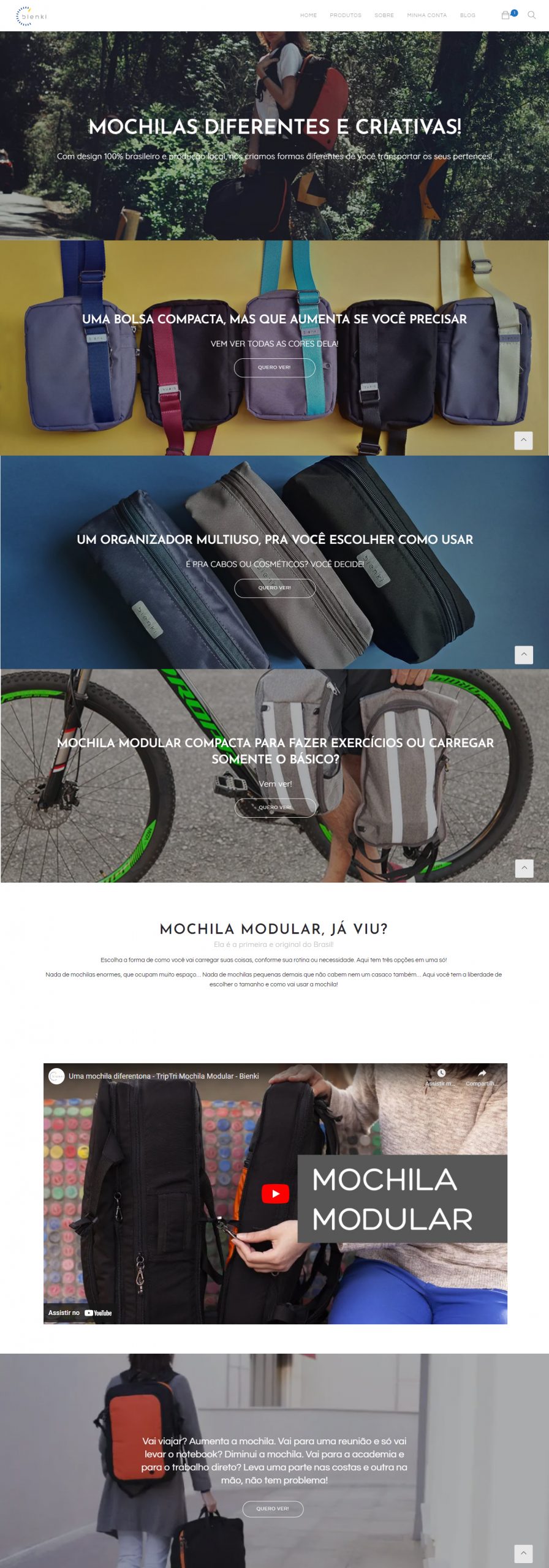
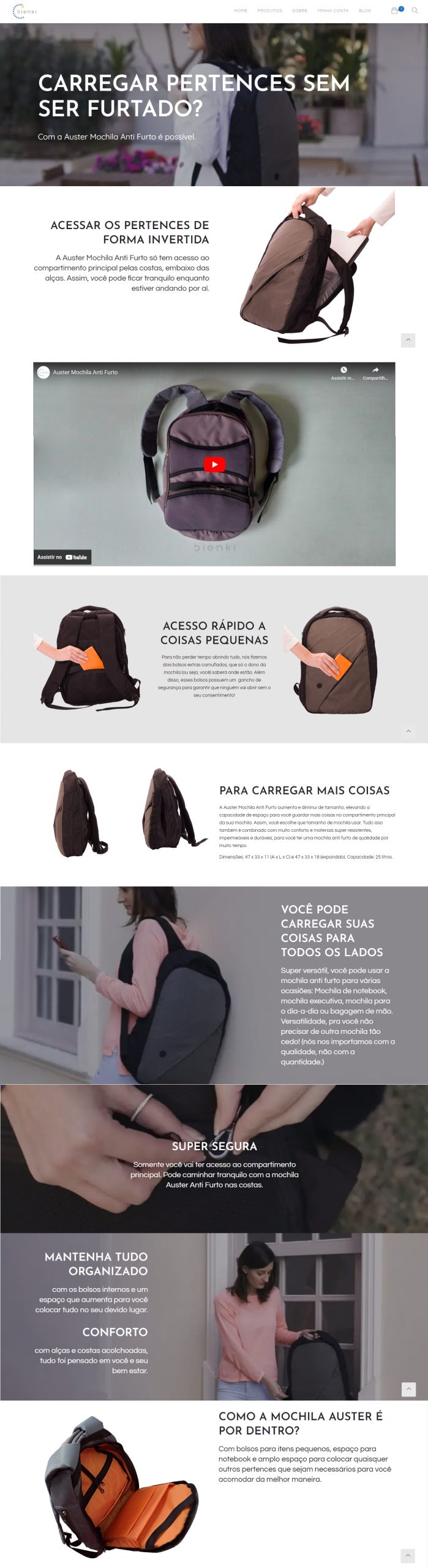
The online store when it was active.
- Then I started measuring the accesses through the Google Tools, such as Analytics, Search, Tag Manager and Ads.
- I also used Hotjar to check the accessibility. With the screenshots and recordings, I could see how difficult was to the users to find information, the button clicks and so on.
These tools helped me a lot to understand how was my online experience and allowed me to improve the website several times throught the years.


Hotjar and Google Analytics from the website.
Second User Experience - The Products
The product experience, in this case, was the most important.
Firstly when the customers received the package at home and used the product for the first time.
- Inside the box, every product was sent along with personal notes to each client, thanking them for the purchase, giving a more human and personalized touch to the product. This was one of the most praised actions by my clients.
- Along with the product, a leaflet with user instructions and warranty policies oriented the clients in case of usage questions, refund or repairs.
Secondly, in order to fabricate a long lasting product made in Brazil, I always used premium quality materials.
- The materials and the creativity made the products different than simple accessories sold on the market. People started perceveing my brand as something especial, made locally, that was worth saving money for.
Clients reviews and feedbacks started telling me they were feeling happy with my products, opening a channel for me to start asking what could be improved. They even sent me references of cool products I could produce.
- They started colaborating with me!
I saw that as an amazing opportunity to keep improving my products and experiences.
- I did a lot of surveys and interviews with clients, even testing small improvements or products, just to obtain feedbacks. This process allowed me to improve the modular backpack SEVERAL times, for instance.

One of the surveys results.

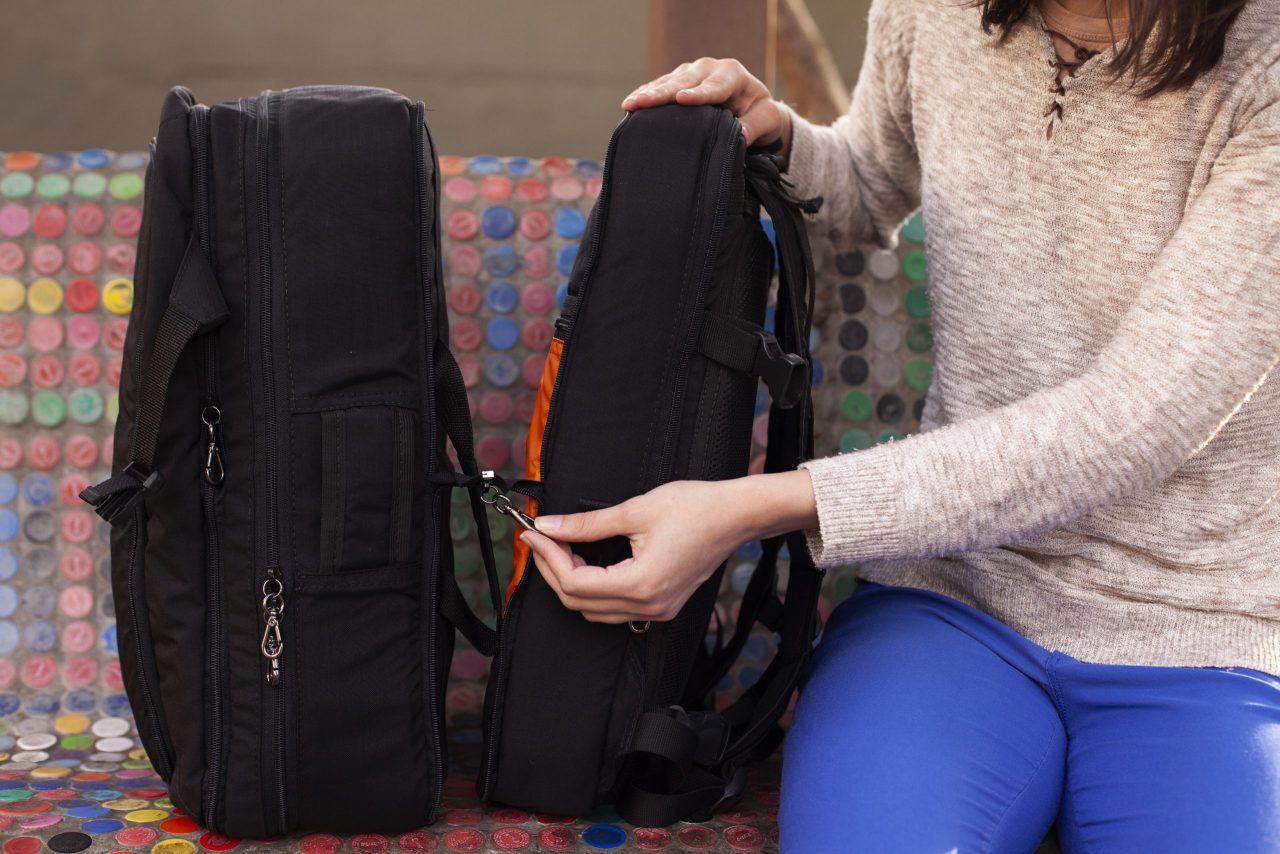
Internal pockets, the superior hand strap – Second Version

New internal pockets, a more discreet hand strap – Second last version.
Third User Experience - Customer Service
This experience was definetely the one I paid attention the most. A happy client shares his experience and advertise you for free to other people.
- So they had an open channel to talk directly to me. Through e-mail, whatsapp messages, DM on Instagram / Facebook. Always with a quick and friendly reply.
It allowed me to collect information, improve my products and create new ones according to their wishes. This was a great achievement for me as a designer!
- The open channel with the customers provided me a closer relationship with them, avoiding conflicts and solving problems quickly.
- The website was also fully equiped with information to help the users find answers to questions easily. FAQ, warranty policies, terms and conditions, privacy policies, contact information where available in the bottom menu and in several pages through the navigation.
- The shipping process was informed by e-mail to avoid anxiety.
Each client also received a leaflet inside the box with important information such as: User guide, Warranty Policies, contact information and anything necessary to let them know about the purchase.
The results:
- No client ever asked me how to use the backpacks;
- I just had 2 refunds in 4 years operating, all of them were very friendly and even wished me luck in my journey;
- All the faults were solved quickly and the clients returned to purchase more products;
- All feedbacks and comments were good (High NPS);
- In the end (when I announced the closure), many customers did a second purchase;

E-mails configuration panel

The leaflet that was sent along with the modular backpacks.
And what have I learned with it?
That a User Experience isn’t only online, but includes all the steps he / she goes to acquire any product to solve a problem, even if it is something physical, a service or a digital product. It is important to consider the journey throughout the entire chain: From the first touch with the brand, the delivery, the product’s quality, customer service and after sales.
But most importantly, I have learned to listen to my clients, they had been the best contributors to my business evolution.